Ceramic & detailing
Paint Correction Pricing From Bay Hours
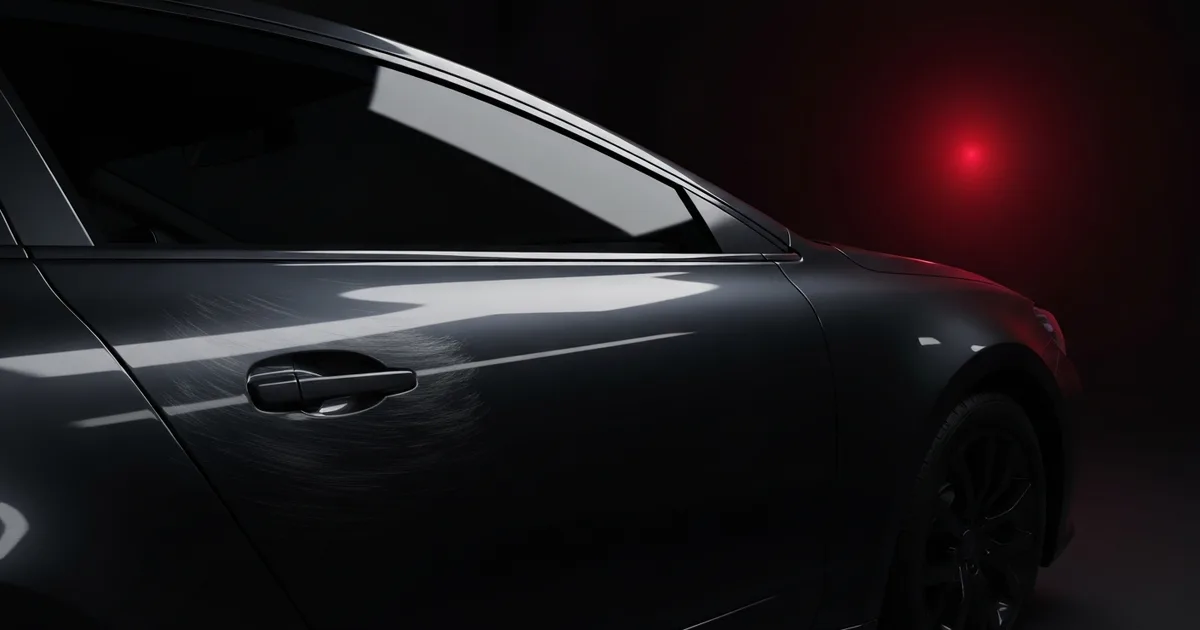
The short version
Paint correction pricing starts with the paint. A test spot under raking light sets the level: one step for light marring, two for medium scratches, three for deep defects and neglect. Estimate the hours each stage takes on this car, multiply by the shop rate, add pads and compound, and check the margin before the quote goes out.
- The paint sets the level and the level sets the hours; the customer's budget sets neither.
- Correction is labor on a machine, so the price is hours times a rate, plus materials.
- Size, color, hardness and neglect each add hours to the same stage.
- One worked example below shows how a missed third step turns a good margin into a thin one.
Ceramic & detailing8 min readUpdated
One, two and three steps on the paint
A single-stage polish and a three-stage job sit in different price ranges, and the paint decides which one is in the bay.
- One step. A compound-and-finish product cuts and refines in the same pass. It clears light swirls, wash marring and mild haze on paint that is basically healthy.
- Two step. A cutting compound for medium scratches and heavier swirls, then a finishing polish to remove the haze the cut leaves.
- Three step. A heavy cut first for deep scratches, oxidation and years of neglect, then refine, then finish. It is the most labor by a distance, and the level most often quoted at two-step money.
From test spot to a sent quote
Read the paint before you quote
Inspect under correcting light and run a test spot to gauge hardness and how many stages the worst defects need.Match severity to a correction level
Light haze and swirls to a one-step, medium scratches and oxidation to a two-step, deep defects and heavy neglect to a three-step.Price off bay hours, materials and margin
Estimate hours per stage times your shop rate, add pads and compound, then check the margin against the loaded cost of those hours.Present the level and pair it with a coating
Quote the level the paint needs, say what finish it delivers, and offer a coating to protect the corrected paint.
What the test spot settles
Get the car under a swirl-finder or an LED at a raking angle, out from under the counter lights. Tape off a section and correct it with the mildest combination that might work, such as a one-step product on a polishing pad. If it clears, the car is a one-step. If the surface comes back but defects or haze remain, step up the cut until the section is right.
The same spot shows how hard the clear coat is: how much the paint fights the pad. Hard clear on dark paint is the classic job that ran a day longer than quoted. The test spot is how that is found before a number is named.
Then say the level out loud: "Your paint needs a two-step to look the way you want. A one-step costs less and will look better, but it will not be the glass finish you are picturing." It keeps the shop from doing upgrades for free.
Example: one sedan, priced from hours
Every figure in this example is invented to show the arithmetic. It is not a market rate, and it is not any shop's price. The car is a dark mid-size sedan; the test spot says two steps.
| Line | Two-step as quoted | Three-step the paint needed |
|---|---|---|
| Wash, decontamination, taping | 1.5 h | 1.5 h |
| Cutting stages | 5 h | 9 h |
| Finishing polish | 3 h | 3 h |
| Price at 9.5 h × $95 + $40, rounded | $945 | $945 (unchanged) |
| Cost: hours × $35 + $40 | $372.50 | $512.50 |
| Margin | 61% | 46% |
Priced at the level the paint needed, the three-step is 13.5 hours, and the same arithmetic gives $1,323. Quoted as a two-step, the extra four hours come straight out of the margin. In Service VIN the margin reads from the hours and costs entered, so the three-step's hours at the two-step's price show as good (50 percent and up) falling to OK (30 to 50) before the quote is sent. The calculator below runs your own hours and costs, and the PPF margin calculator page does the same for any job priced on hours and materials.
Reader-driven estimate from your own numbers — not a guarantee.
Pads and compound go in as the film cost with one foot of film; bay hours across every stage go in as install hours.
Reading the film calculator for a correction
The preset was written for film, and the sum is the same. Put the pads and compound for the whole job in as the film cost with one foot of film, the bay hours across all stages as install hours, the loaded cost of an hour as the labor rate, and the quote as the price. A correction priced at one step and worked at three shows up here first.
Four things that add hours to the same stage
- Condition. Neglect adds stages and adds passes inside a stage.
- Hardness. Hard clear resists the pad, so a defect takes more passes to remove.
- Color. Black and dark paint shows the haze a cut leaves, so finishing takes longer.
- Size. A three-row SUV or a crew-cab truck is more panel than a coupe, at every stage.
A flat correction price ignores all four. It scares off the easy job and loses money on the hard one. In Service VIN a service can be priced hourly, or as a price per vehicle size from coupe to exotic, and each size carries its own labor hours and cost, so the SUV is quoted from SUV hours.
Correction sold with a coating
A coating locks in whatever is under it, swirls included, so the natural top of the menu is correction and coating sold as one job. On one quote the levels can sit in a choose-one group, with the coating as an optional line beside them. The ceramic coating pricing guide covers costing the coating half, and auto detailing business software keeps both halves on one quote, one job and one invoice.
Customers arrive having read published price bands. The car-owner page on paint correction cost lists them with their sources and the date they were read, which is the context a quote built from hours will be compared against.
Hour estimates sharpen with history. Write down the level, the car and the hours on every correction for a month, and the patterns show: which cars run long, which trade-ins hide a third stage. Those hours go back into the vehicle-size prices that later quotes start from.
What the software leaves to the installer
Service VIN does not grade paint or pick the level. It prices the level the installer chose, from the hours and costs entered, and a service with no cost entered shows no margin at all. The test spot stays a job for a person with a polisher.
Frequently asked questions
How does a detailer choose between a one, two or three-step correction?
Run a test spot under raking light with the mildest combination that might work. If it clears, it is a one-step; if defects or haze remain, step up the cut until the section is right. The number of stages that took is the level.
Should paint correction be a flat price?
A flat price ignores condition, hardness, color and size, which all add hours. Price the hours the level takes on this car at the shop rate, add pads and compound, and check the margin before sending.
Why does one sedan cost more to correct than another?
Hard clear coats resist the pad, dark paint shows the haze a cut leaves, and neglected paint needs a heavier first stage. Each adds hours, and hours are the price.
Does paint need correcting before a ceramic coating?
If the coating is meant to look right, yes. A coating locks in what is under it, swirls and all, so even a one-step first pays off, and the two sell well as one job.

The Service VIN team
Built inside a working PPF and detailing shop in Canada
The team that builds Service VIN runs it every day inside a working PPF and detailing shop in Canada, the shop it was built for. These posts are written from that shop floor, for owners who want less time at the desk and more time running the business.